
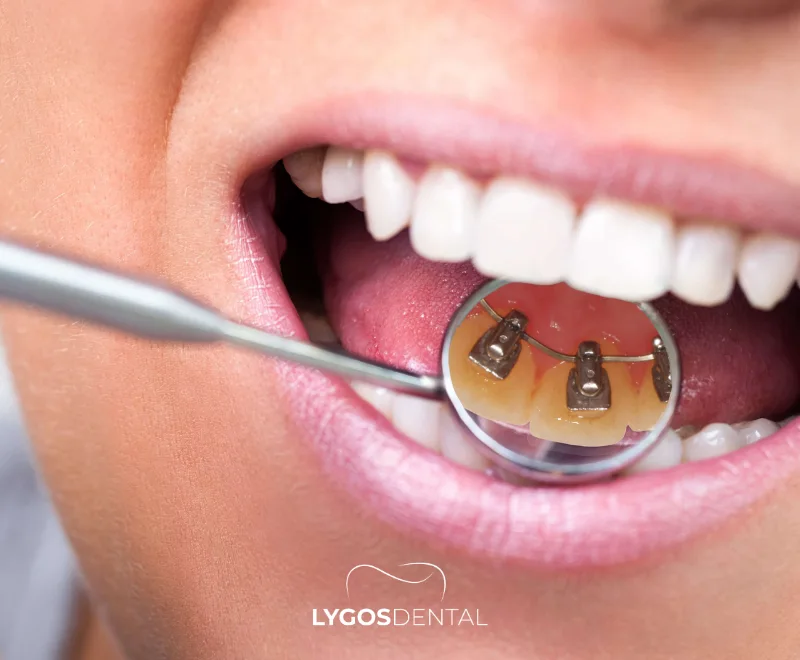
In orthodontic treatments where aesthetic concerns come to the forefront, lingual braces are often preferred. Since they are placed on the inner side of the teeth, they are invisible from the outside and prevent loss of self-confidence during treatment. However, their invisibility also means extra attention is needed for cleaning. In this article, we will answer the question “How to clean lingual braces?” in detail, covering both daily care and professional support.
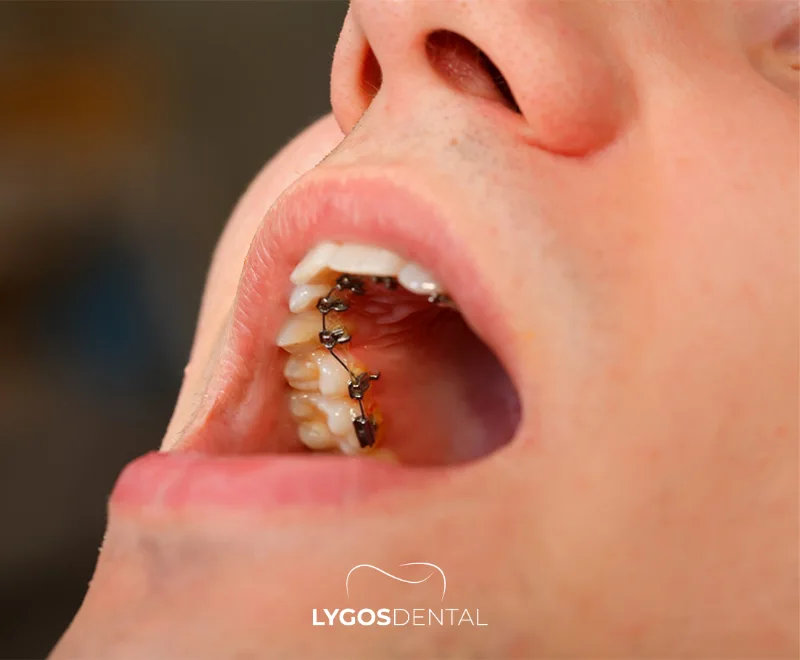
Unlike traditional brackets that are attached to the front surface of the teeth, lingual braces are fixed to the back side. This makes them virtually unnoticeable, which is why they are frequently chosen, especially by adults.
Because they are placed behind the teeth, cleaning is more difficult compared to traditional braces. Food debris, plaque build-up, and gum problems occur more often. Therefore, the critical question for anyone undergoing this treatment is: “How to clean lingual braces?”
If cleaning is neglected while wearing lingual braces, food particles accumulate behind the teeth and allow bacteria to grow. This can:
Since plaque builds up in areas that aren’t easily visible, it can go unnoticed and remain uncleaned for a long time. This eventually leads to serious dental problems. That’s why, for those with lingual braces, the most important question remains: How to clean them properly?
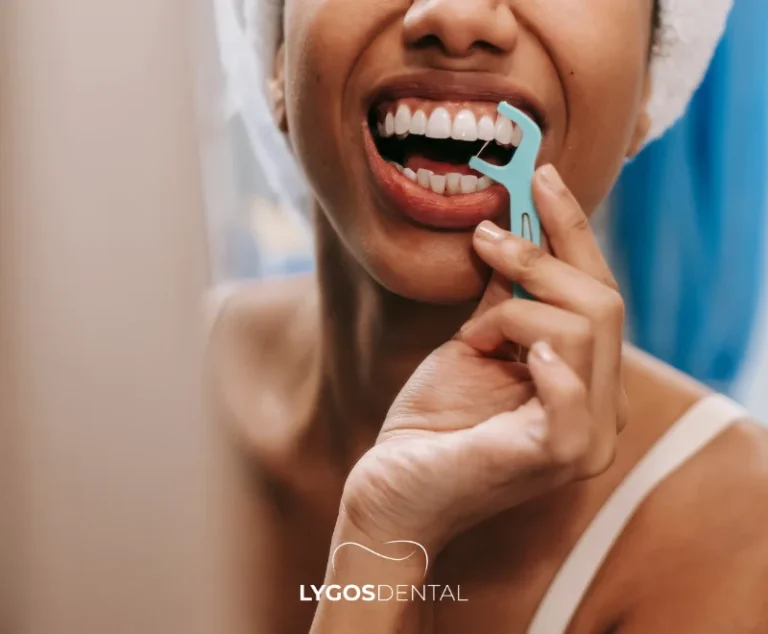
Cleaning lingual braces requires a more detailed approach than ordinary brushing, because the brackets are harder to reach behind the teeth. The key steps are:
When these steps are applied consistently, the best answer to “How to clean lingual braces” is a careful and patient daily routine.
One of the most effective tools for lingual brace cleaning is the interdental brush. These small, thin brushes can easily reach between the brackets to remove food debris.
For anyone with braces, interdental brushes are essential for daily hygiene. The main answer to “How to clean lingual braces” often lies in using interdental brushes regularly.
Some mistakes in cleaning can negatively affect treatment:
Avoiding these mistakes is essential for a healthy and smooth treatment process. At the end of the day, the answer to “How to clean lingual braces” is clear: with the right tools and consistent habits.

No matter how carefully you clean at home, professional support is necessary. Plaque build-up behind lingual braces is often not visible.
The best solution to “How to clean lingual braces” is a combination of personal hygiene and professional care.
Lingual braces provide great aesthetic advantages, but they require extra attention in cleaning. Daily brushing, interdental brushes, floss, and mouthwash are essential, along with regular orthodontist visits.
Remember: “How to clean lingual braces” is not only about aesthetics, but also critical for a healthy treatment process. Proper and consistent care protects your teeth and can even shorten treatment duration.
You can contact us here to learn more about Cosmetic Dentistry, Dental Crown, Dental Implant and General Dentistry to make an appointment and to get information about our services.
The easiest method is to brush regularly with an orthodontic toothbrush and use an interdental brush. Floss and mouthwash complete the cleaning process.
No. A regular toothbrush cannot fully reach the back side of the braces. Orthodontic and interdental brushes must be used.
It may lead to tooth decay, gum problems, bad breath, and prolonged treatment. That’s why cleaning is essential.
Sticky candies, hard-shelled foods, and acidic drinks should be avoided, as they can damage the brackets and are difficult to clean.

Special Note:
Our treatments are provided by healthcare facilities that possess a health tourism authorization certificate
Special Note: Our treatments are provided by healthcare facilities that possess a health tourism authorization certificate
Selenium Retro, Ataköy 7-8-9-10. Kısım, D-100 Güney Yanyolu No:18/A, 34158 Bakırköy/İstanbul
© 2025, LYGOS DENTAL. All Rights Reserved.