
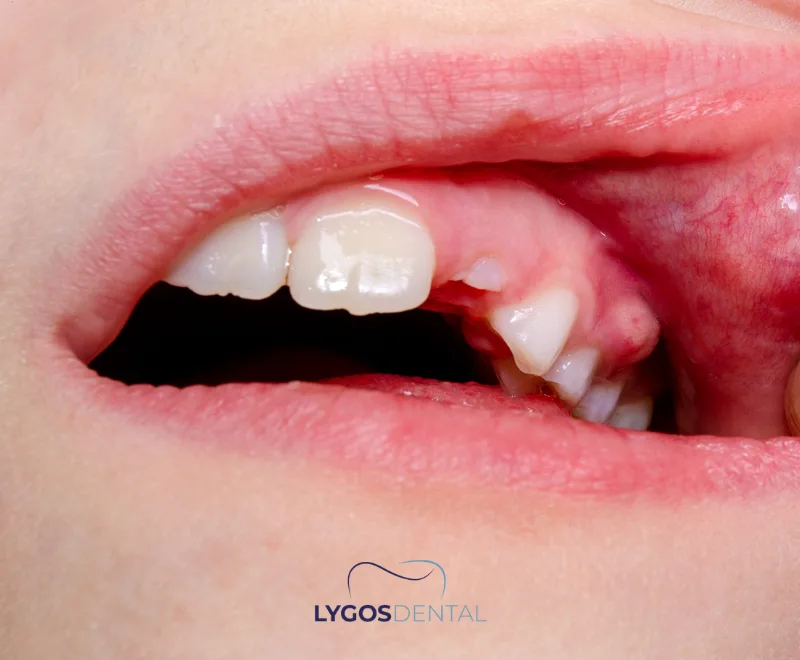
Oral and dental health is an important factor that directly affects our overall health. In particular, infections in teeth can cause severe pain and complications. Therefore, many people wonder, “Can an infected tooth be extracted?” In this article, you can find detailed information about what infected teeth are, their symptoms, the extraction process, and important precautions.
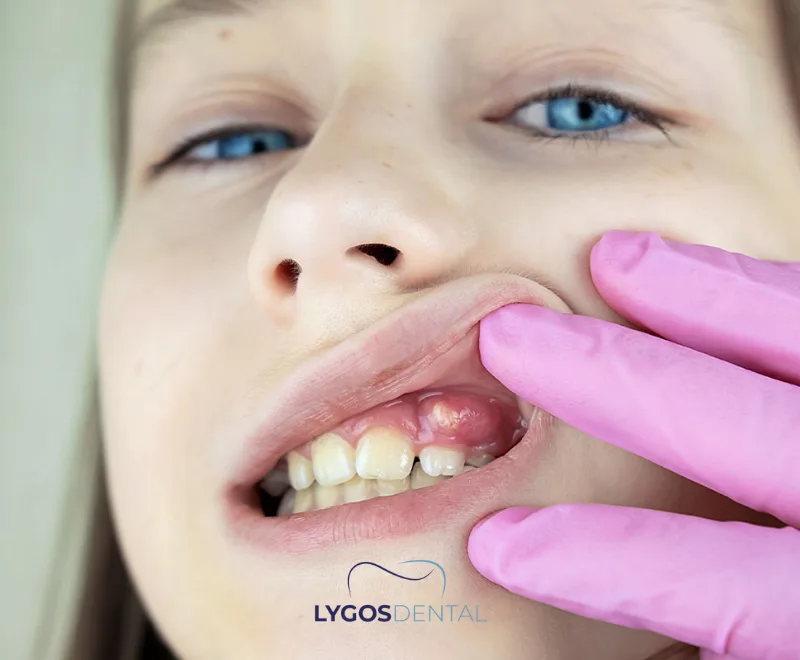
An infected tooth occurs when an infection develops in the pulp—the inner tissue of the tooth—or in the surrounding tissues. The pulp contains the nerves and blood vessels of the tooth, which can become inflamed due to bacterial infection. This can lead to severe tooth pain, sensitivity, and complications that may eventually result in tooth loss.
Infected teeth usually develop due to neglected cavities, broken teeth, or infections in the surrounding gum tissue. Bacteria penetrate the tooth enamel and reach the pulp, causing infection. Therefore, whether an infected tooth can be extracted depends on the condition of the tooth and the severity of the infection.
The most common symptoms of an infected tooth include:
If you experience any of these symptoms, it is important to see a dentist. As the infection progresses, pain intensifies and it may spread to surrounding tissues. At this point, the question “Can an infected tooth be extracted?” becomes critical.
So, can an infected tooth be extracted? Yes, extraction is possible, but the condition of the tooth and surrounding tissues is important. If the root of the tooth is intact and the infection has not spread to surrounding areas, the infection should be controlled before extraction.
In some cases, root canal treatment may be an alternative. Root canal therapy involves cleaning out the infected tissue inside the tooth and filling it, allowing the tooth to remain in the mouth. However, if the infection is widespread and the tooth structure is severely damaged, the answer to “Can an infected tooth be extracted?” is usually yes.
Tooth extraction can be safely performed under local anesthesia. However, attention must be paid to the healing process afterward.

Before answering whether an infected tooth can be extracted, the infection must be controlled. Common methods to treat infection before extraction include:
These measures reduce the risk of complications during extraction. The answer to “Can an infected tooth be extracted?” is determined more safely by considering the health of the tooth and surrounding tissues.
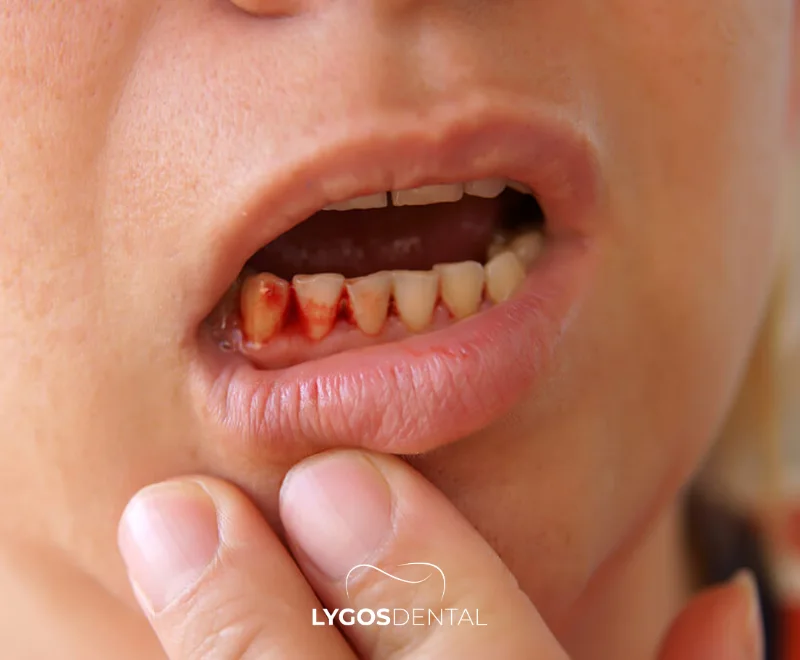
Extraction of an infected tooth is generally safe, but some risks and complications may occur:
Due to these risks, the question “Can an infected tooth be extracted?” should be answered by a dentist’s evaluation. Proper preparation and antibiotic support minimize these risks.
The cost of extracting an infected tooth varies depending on the tooth’s condition, difficulty of extraction, and clinic preferences. Prices may differ between private clinics and public hospitals. Costs of local anesthesia, antibiotics, and post-extraction care also affect the total price.
In general, there may be a difference between a simple tooth extraction and an infected tooth extraction. Advanced infections or surgical interventions may increase costs. Therefore, it is important to get a detailed examination and cost estimate before extraction.
Infected teeth can be safely and effectively extracted with proper precautions. The answer to “Can an infected tooth be extracted?” depends on the condition of the tooth and surrounding tissues, but in most cases, extraction is possible. Regular dental check-ups and early intervention play a critical role in preventing complications of infected teeth.
You can contact us here to learn more about Cosmetic Dentistry, Dental Crown, Dental Implant and General Dentistry to make an appointment and to get information about our services.
If the infection is severe or the tooth cannot be saved with a root canal, extraction is recommended. The dentist first controls the infection and then performs the extraction.
Thanks to local anesthesia, there is no pain during extraction. Mild pain may occur afterward but can be controlled with painkillers.
Yes, mild swelling and bruising are normal after extraction and usually subside within a few days.
No. Some teeth can be saved with root canal treatment. However, if the tooth is severely damaged, extraction is the safest solution.

Special Note:
Our treatments are provided by healthcare facilities that possess a health tourism authorization certificate
Special Note: Our treatments are provided by healthcare facilities that possess a health tourism authorization certificate
Selenium Retro, Ataköy 7-8-9-10. Kısım, D-100 Güney Yanyolu No:18/A, 34158 Bakırköy/İstanbul
© 2025, LYGOS DENTAL. All Rights Reserved.