

Oral and dental health is an essential part of our overall well-being. Gum diseases are among the problems that often progress unnoticed and can lead to serious issues over time. In this article, you’ll find comprehensive information about the Symptoms of Gum Inflammation, and gain a deeper understanding of its causes and effects.
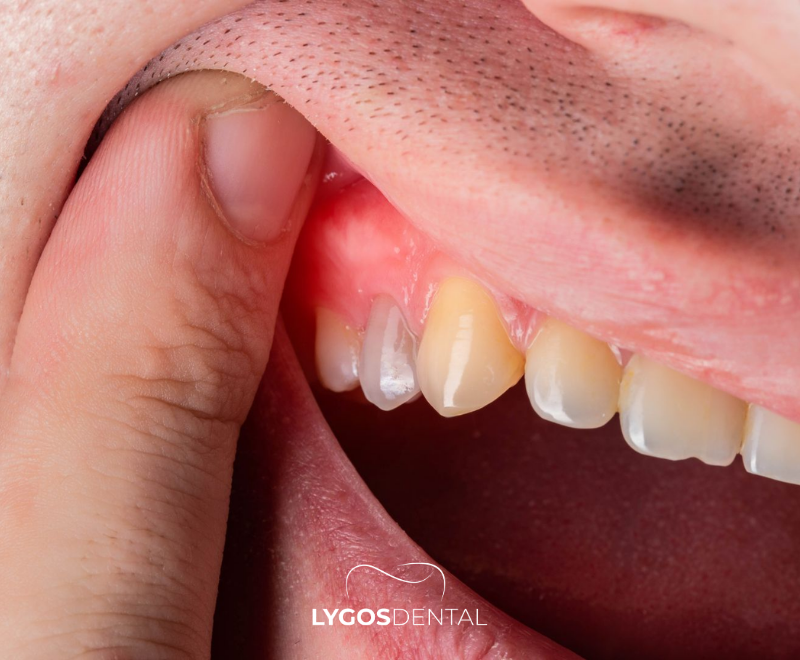
Gum inflammation, medically known as gingivitis, is the inflammation of the gums caused by bacterial plaque buildup. Poor oral hygiene, smoking, hormonal changes, and certain systemic diseases can contribute to this condition. Gingivitis is generally a reversible disease when detected early. However, if left untreated, it can progress to more advanced gum diseases and even lead to tooth loss.
Symptoms of Gum Inflammation are warning signs that help identify the disease at an early stage and should not be ignored.
Symptoms of Gum Inflammation can vary from person to person, but certain common signs are observed in most cases. Recognizing these symptoms is crucial for early treatment:
These common Symptoms of Gum Inflammation are warning signals related to your oral health. If ignored, they can turn into more serious gum and dental diseases.
Yes, gum inflammation directly affects bad breath. One of the most common causes of bad breath is the foul-smelling compounds produced by bacteria accumulating in the gums. These bacteria not only cause inflammation but also lead to an unpleasant mouth odor.
If bad breath is accompanied by other Symptoms of Gum Inflammation, it may not be just a temporary problem but a health issue requiring treatment. Eliminating gum inflammation significantly improves bad breath.

In general, gum inflammation does not cause severe pain in its early stages, which can make it harder to detect. However, in later stages, when the inflammation spreads to deeper tissues, pain becomes unavoidable. Pain may be experienced particularly when:
These types of pain can be among the Symptoms of Gum Inflammation. Even if the pain subsides temporarily, the underlying issue may persist. Therefore, such pain should not be ignored.
Gum inflammation doesn’t just threaten the gums—it also puts your overall oral health at risk. Untreated inflammation can lead to serious problems such as:
All these issues can initially present themselves as seemingly harmless symptoms of gum inflammation, which is why early diagnosis and intervention are critical.

If you’re experiencing any of the following, you should consult a dentist without delay:
If you notice one or more of these signs, you may be showing Symptoms of Gum Inflammation. Your dentist will make a definitive diagnosis through a detailed examination and possibly X-rays and will prepare a suitable treatment plan.
Symptoms of Gum Inflammation are important warning signals about your oral health. Signs like redness, swelling, bleeding, bad breath, and sensitivity should prompt you to consult a dentist promptly. Early intervention leads to a simpler treatment process and prevents more serious complications.
Remember: A healthy smile begins with healthy gums. Take gum diseases seriously and be informed about the Symptoms of Gum Inflammation.
You can contact us here to learn more about Cosmetic Dentistry, Dental Crown, Dental Implant and General Dentistry to make an appointment and to get information about our services.
No, gum inflammation usually does not go away on its own. The symptoms may temporarily subside, but the underlying inflammation continues. It needs to be treated by a dentist through professional cleaning and proper care recommendations. Gingivitis symptoms caught early can be reversed with regular oral care.
Gum inflammation is not directly contagious, but the bacteria that cause the inflammation can be transferred via saliva. Sharing utensils, toothbrushes, or kissing can affect oral flora. Therefore, paying attention to oral hygiene is important.
Yes, hormonal changes during pregnancy increase the risk of gum inflammation, a condition known as “pregnancy gingivitis.” Pregnant women should be more careful about gingivitis symptoms and should not neglect dental checkups.
If left untreated, gum inflammation can develop into a more serious disease called periodontitis. This disease causes destruction of the tissues supporting the teeth, bone loss, and eventually tooth loss. Other complications include bad breath, abscesses, and jawbone erosion.

Special Note:
Our treatments are provided by healthcare facilities that possess a health tourism authorization certificate
Special Note: Our treatments are provided by healthcare facilities that possess a health tourism authorization certificate
Selenium Retro, Ataköy 7-8-9-10. Kısım, D-100 Güney Yanyolu No:18/A, 34158 Bakırköy/İstanbul
© 2025, LYGOS DENTAL. All Rights Reserved.