
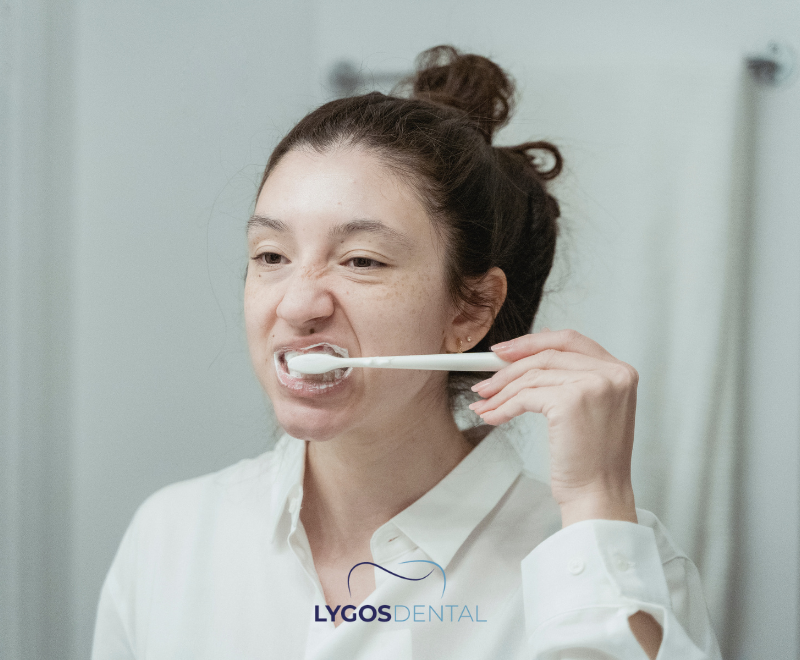
Oral health is one of the cornerstones of overall health. However, the quality and suitability of the products we use while cleaning our teeth directly affect our health. In particular, the harms of using a hard toothbrush have become one of the issues that dentists warn about most frequently. Although hard-bristled brushes may seem like they provide more effective cleaning, when used incorrectly, they can cause serious problems. This article provides a comprehensive overview of the potential harms of using a hard toothbrush.
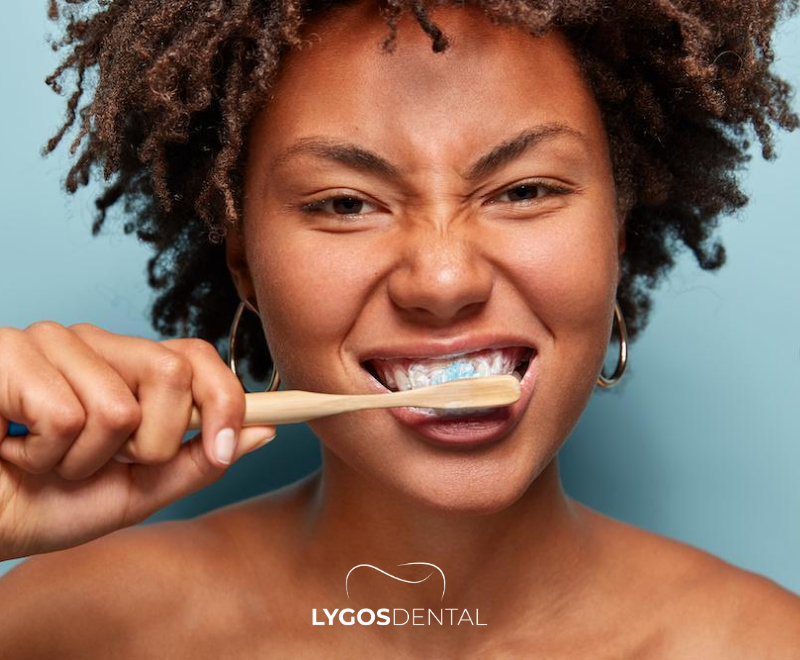
As the name suggests, hard toothbrushes have denser and stiffer bristles. They are typically recommended for preventing tartar buildup, effectively removing plaque, or cleaning prosthetics and other artificial dental materials. However, these types of brushes are not suitable for everyone.
Some people believe that harder bristles clean better, but experts recommend soft or medium-bristled brushes for daily use. The harms of using a hard toothbrush can be more serious than commonly thought.
Damage to tooth enamel is a subtle yet more permanent issue compared to cavities. Brushing too hard with stiff bristles can cause enamel erosion over time. Enamel is the outer protective layer of the tooth, and its weakening can lead to sensitivity, discoloration, and even tooth loss.
Among the most common harms of using a hard toothbrush is enamel erosion. This can make the teeth appear more yellow, increase sensitivity to hot and cold, and cause micro-cracks.
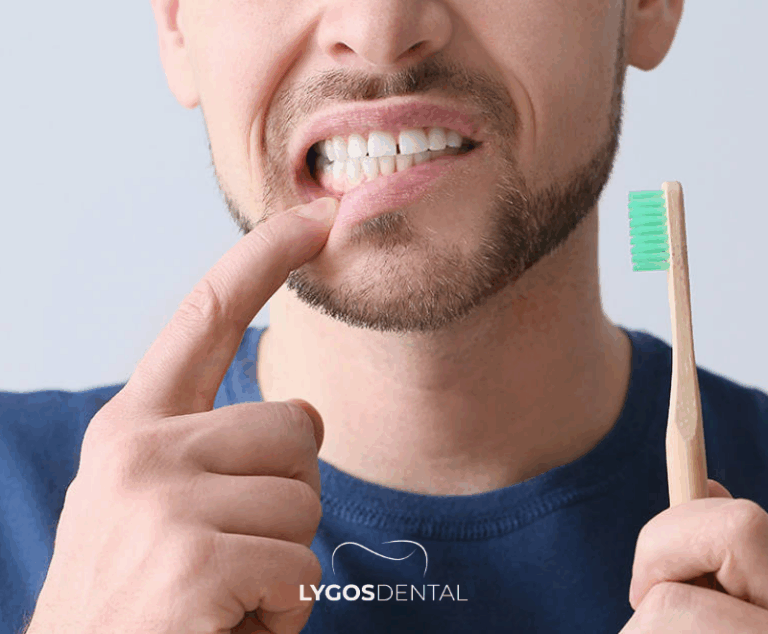
Absolutely! One of the most common problems caused by hard toothbrushes is gum recession. Gums are quite sensitive, and aggressive brushing with hard bristles can easily irritate them. Continuous use of a hard-bristled toothbrush may lead to the gums gradually receding.
Gum recession not only creates an aesthetic issue but also exposes the roots of the teeth and increases sensitivity. In the long term, it weakens the grip of the teeth, paving the way for tooth loss.
Hard toothbrushes can damage not only the teeth but also other soft tissues in the mouth. Inner cheeks, tongue, and palate can become vulnerable to trauma from incorrect brushing habits. This can lead to frequent sores, irritation, and even canker sores.
Additionally, the harms of using a hard toothbrush extend to the oral microbiome. Over-brushing may remove beneficial bacteria in the mouth, potentially leading to bad breath, fungal infections, and other oral health problems that can strain the immune system.
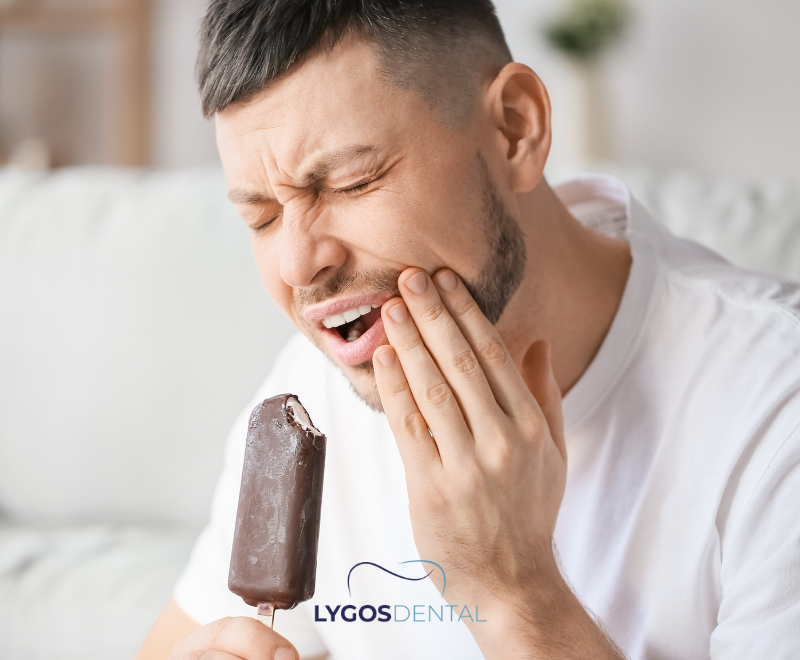
While the short-term effects may not seem serious, the long-term consequences of using a hard toothbrush can be severe. Over time, the damage becomes chronic, and treating these problems may become more costly and difficult.
Some long-term harms include:
Thus, the harms of using a hard toothbrush go beyond cleaning concerns and pose a threat to overall oral health.
Toothbrush selection should be based on individual needs and oral structure. There are many types of brushes on the market, but choosing the right one is critical for oral health.
Key factors to consider:
The harms of using a hard toothbrush often result from poor product selection. Therefore, it’s important to choose your brush carefully with both personal and professional evaluation.
Proper cleaning habits form the foundation of oral and dental health. But harming your teeth in the name of cleanliness can lead to irreversible consequences. The harms of using a hard toothbrush are well-documented both scientifically and through clinical experience. For a healthy smile, choose the right brush and follow your dentist’s recommendations.
Brushing with a soft, suitable brush using the correct technique protects your teeth and ensures a beautiful smile. Otherwise, you risk issues from enamel erosion to gum recession.
You can contact us here to learn more about Cosmetic Dentistry, Dental Crown, Dental Implant and General Dentistry to make an appointment and to get information about our services.
Although hard bristles may seem to remove plaque faster, applying too much pressure can damage enamel and gums. Experts recommend soft or medium bristles used with the correct brushing technique for effective cleaning.
They include enamel erosion, gum recession, sensitivity, mouth irritation, and eventually tooth loss.
No. Gum recession can result from multiple factors (genetics, gum disease, poor brushing technique), but hard toothbrushes can worsen or accelerate the condition.
Hard brushes may be recommended by dentists for specific needs like prosthetic cleaning or short-term use. They are not suitable for general daily use.
Most people benefit from soft or medium-bristled toothbrushes with ergonomic design. Your dentist can provide personalized advice based on your oral health.

Special Note:
Our treatments are provided by healthcare facilities that possess a health tourism authorization certificate
Special Note: Our treatments are provided by healthcare facilities that possess a health tourism authorization certificate
Selenium Retro, Ataköy 7-8-9-10. Kısım, D-100 Güney Yanyolu No:18/A, 34158 Bakırköy/İstanbul
© 2025, LYGOS DENTAL. All Rights Reserved.