
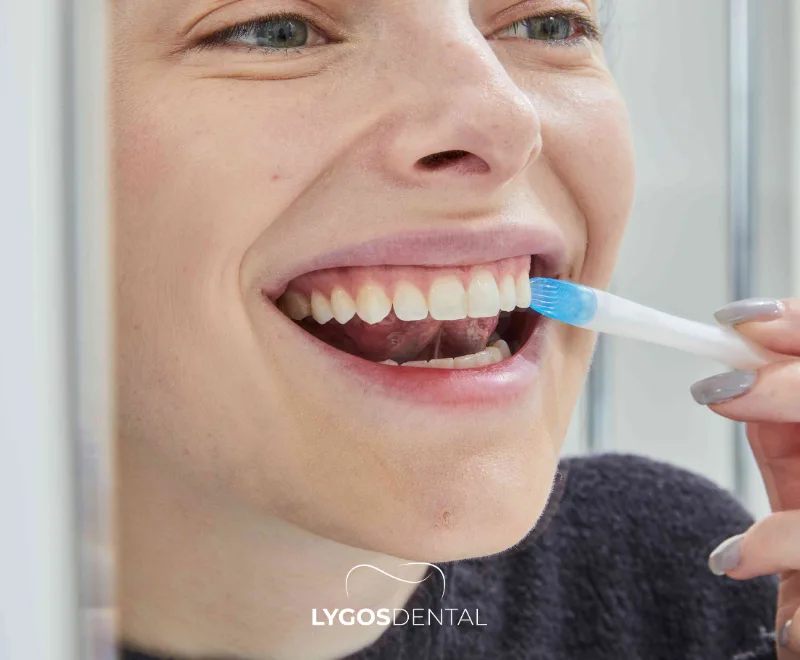
A bright white smile is a common desire for many people. Teeth whitening is one of the most effective ways to make that dream come true. However, this cosmetic procedure can sometimes cause temporary discomfort. One of the most frequently reported side effects is tooth sensitivity. Fortunately, it’s possible to prevent sensitivity after teeth whitening. In this article, we’ll explore why this sensitivity occurs and how you can reduce it with 5 simple and practical methods.
Teeth whitening works by removing stains from the enamel using chemical agents that penetrate the tooth surface. These agents—commonly hydrogen peroxide or carbamide peroxide—can reach the dentin layer beneath the enamel. Since dentin contains nerve endings that are sensitive to temperature and stimuli, this can lead to temporary sensitivity after the procedure.
Moreover, these whitening agents may weaken the enamel for a short time, making the teeth more vulnerable to hot, cold, or acidic foods. Thankfully, these effects are usually short-lived and manageable with the right care. Prevent sensitivity after teeth whitening is essential not only for comfort but also for maintaining oral health and the longevity of the results.
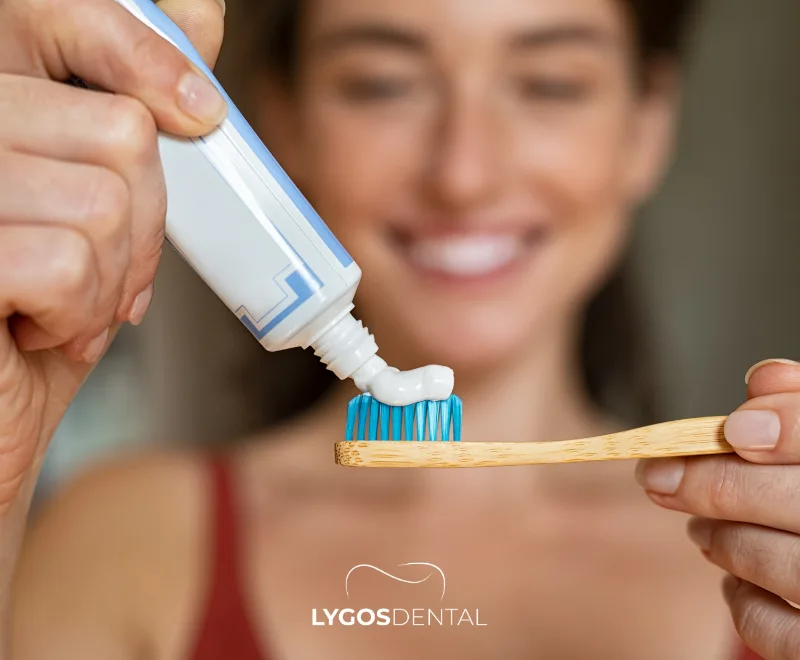
The first step in preventing sensitivity after teeth whitening is to use a toothpaste specifically formulated for sensitive teeth. These products often contain ingredients like potassium nitrate or strontium chloride, which help block nerve signals and reduce discomfort.
For best results, use the desensitizing toothpaste twice a day—morning and night—for at least two weeks. If you want to maintain your bright smile while preventing discomfort, look for toothpaste that offers both whitening and sensitivity protection.
The first 48 hours after whitening are when your teeth are most vulnerable. During this time, you should avoid acidic foods (like citrus fruits, soda, and vinegar-based dressings) as well as extremely hot or cold items such as coffee, tea, ice cream, or hot soup.
Stick to lukewarm and neutral foods like soft vegetables, mashed potatoes, or plain yogurt. This temporary dietary adjustment can significantly reduce the risk of post-whitening sensitivity. Also, avoid sugary and sticky foods that may further irritate sensitive enamel.
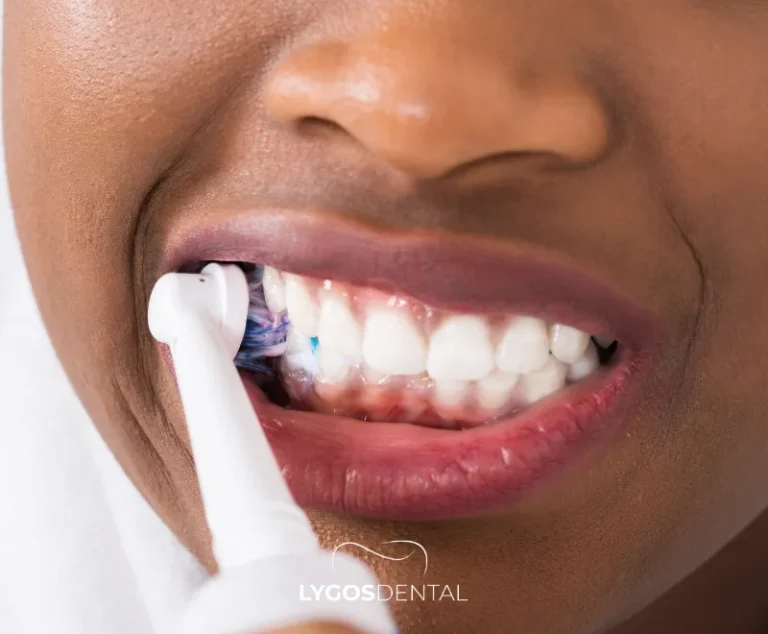
After whitening, your teeth may be more sensitive and vulnerable to damage. Brushing too hard or using a firm toothbrush can aggravate the enamel and increase sensitivity.
Opt for a soft-bristled toothbrush and brush using gentle, circular motions. Don’t apply too much pressure. Fluoride toothpaste can also help strengthen enamel and reduce discomfort. In short, proper brushing technique plays a crucial role in minimizing sensitivity after whitening.
A fluoride mouthwash can help remineralize and strengthen your enamel, reducing the risk of sensitivity. Special post-whitening rinses are designed to protect nerve endings from external stimuli.
Choose alcohol-free formulas that are gentle on the mouth. For an extra soothing effect, consider herbal ingredients like aloe vera, chamomile, or sage. Use mouthwash at least twice daily—once in the morning and once before bed—for optimal protection.
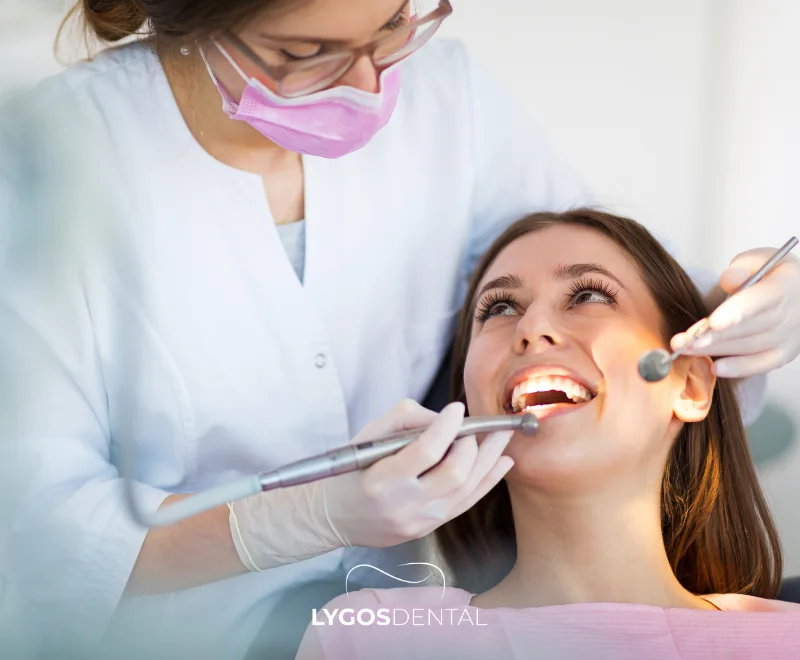
If sensitivity persists despite these preventive measures or starts interfering with your daily routine, it’s important to consult your dentist. Sometimes, the cause may not be the whitening treatment itself but underlying issues like cavities, gum recession, or enamel cracks.
Your dentist may recommend treatments such as professional fluoride applications, desensitizing gels, or protective coatings. They can also advise you on gentler whitening options for future procedures. With professional guidance, prevent sensitivity after teeth whitening becomes much more effective.
You can contact us here to learn more about Cosmetic Dentistry, Dental Crown, Dental Implant and General Dentistry to make an appointment and to get information about our services.
Sensitivity is usually temporary and lasts between 24 to 72 hours. However, depending on your tooth structure and the type of whitening treatment, it may vary. If sensitivity continues for more than a week, see your dentist.
It’s best to avoid eating for at least two hours post-treatment. For the first 48 hours, stay away from foods and drinks that can stain your teeth or cause irritation, like coffee, red wine, and acidic or colorful foods.
Most people begin to feel relief within 3 to 7 days of regular use. For more lasting results, use it consistently for at least two weeks.
No, not everyone will feel sensitivity. Some people experience none at all, while others may have mild to moderate discomfort. Factors such as enamel condition, the type of whitening product used, and individual sensitivity levels play a role.

Special Note:
Our treatments are provided by healthcare facilities that possess a health tourism authorization certificate
Special Note: Our treatments are provided by healthcare facilities that possess a health tourism authorization certificate
Selenium Retro, Ataköy 7-8-9-10. Kısım, D-100 Güney Yanyolu No:18/A, 34158 Bakırköy/İstanbul
© 2025, LYGOS DENTAL. All Rights Reserved.